
Flooring That Handles Constant Moisture Exposure
Bathroom Flooring in Roscoe for surfaces damaged by humidity, water exposure, or daily wear
Bathroom floors endure conditions that destroy flooring materials designed for dry spaces—steam from daily showers raises humidity levels that warp wood and delaminate cheap vinyl, water escapes from shower curtains and soaks into seams, and the constant barefoot traffic concentrated in a small area wears finish faster than foot traffic spread across larger rooms. Flooring failure shows up as tiles that crack or come loose, vinyl that curls at edges, soft spots where underlayment has rotted, or visible mold growing along baseboards. Design Elements installs bathroom flooring in Roscoe using materials engineered to resist moisture damage and proper installation methods that prevent water intrusion at vulnerable seams and transitions.
The installation process begins with removing existing flooring and inspecting the subfloor for water damage that requires repair before new flooring goes down. Proper preparation includes waterproof underlayment in wet areas and ensuring the subfloor sits level so tiles don't crack from flexing or vinyl doesn't telegraph every subfloor imperfection. Selected flooring gets installed with appropriate adhesives, grout, or fastening methods for bathroom moisture levels, and all seams receive proper sealing.
Schedule an on-site consultation to evaluate your current bathroom flooring condition and discuss which materials suit your moisture exposure and style preferences.
The Difference Between Water-Resistant and Waterproof Flooring
Water-resistant flooring tolerates occasional splashing and humidity but deteriorates with prolonged direct water contact, while waterproof flooring maintains integrity even when submerged. Porcelain tile, luxury vinyl plank rated for wet areas, and natural stone all qualify as waterproof when installed correctly, meaning the material itself won't absorb water and break down. The installation details matter as much as material choice—waterproof flooring still fails if water seeps through poorly sealed seams or gaps where flooring meets fixtures and walls.
After installation completes with Design Elements handling the work, the bathroom floor feels solid without soft spots that indicate trapped moisture or damaged underlayment. Water from showering, sink use, or cleaning dries from the surface without soaking in or leaving permanent stains. The floor maintains its appearance through daily use rather than showing premature wear, fading, or edge curl that signals moisture penetration.
Bathroom flooring installation includes material, underlayment, and proper sealing, but it does not include repairs to plumbing leaks, toilet wax ring replacement, or vanity reinstallation unless those services are specifically added. Different materials require different maintenance approaches—porcelain tile needs periodic grout resealing to maintain waterproofing, while luxury vinyl requires no sealing but shows scratches more readily. Texture affects both slip resistance and cleaning difficulty, and what works barefoot may feel uncomfortable underfoot compared to smoother finishes..
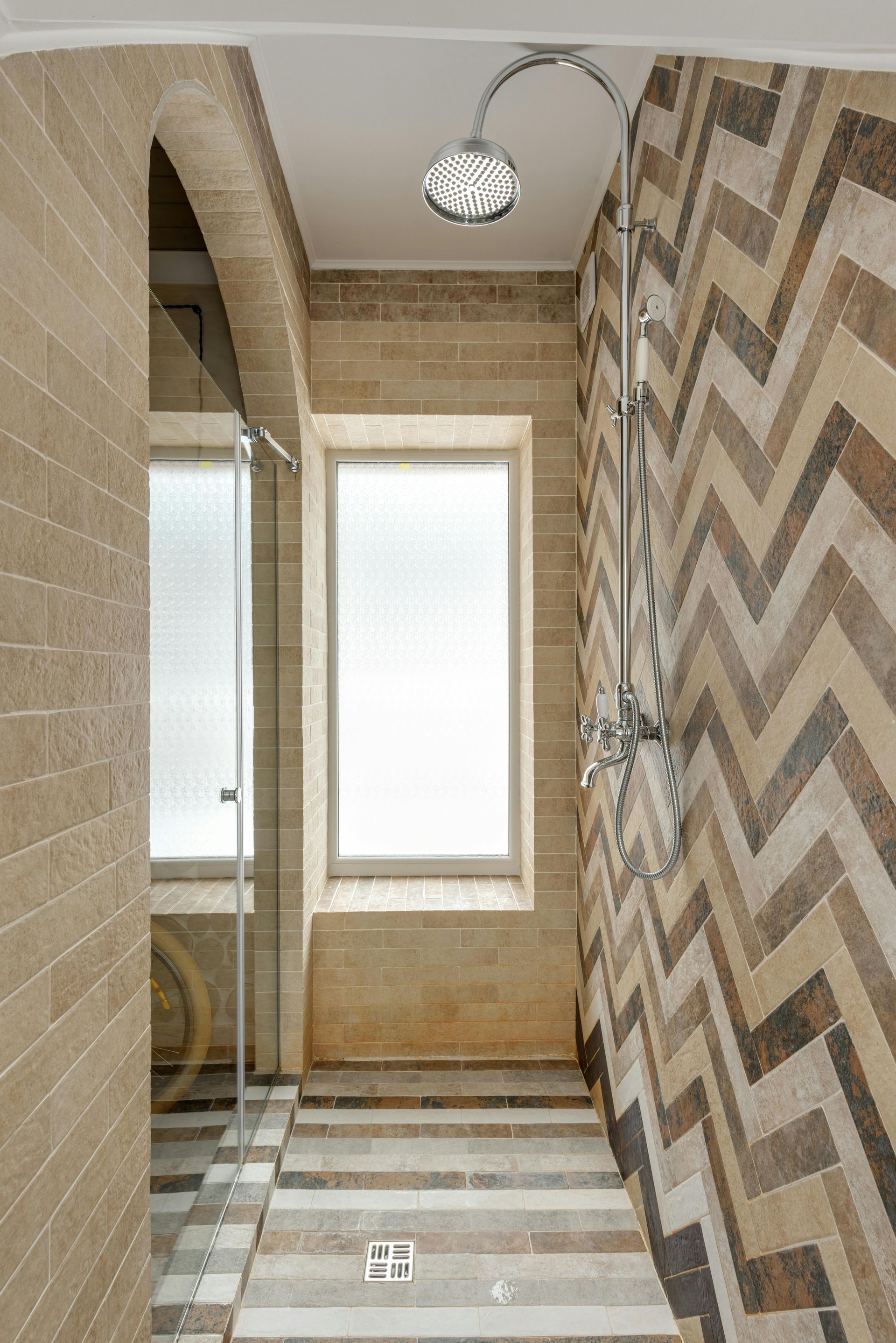
What Property Owners Usually Ask
Questions about bathroom flooring typically focus on which materials actually withstand bathroom conditions and how to identify flooring failure before it causes structural damage.
- What causes bathroom flooring to fail prematurely? Water penetration at seams, transitions, and fixture bases allows moisture into underlayment where it causes rot, mold growth, and adhesive failure that loosens flooring from below.
- How do you tell if bathroom flooring needs replacement? Soft spots that flex when you step on them, tiles that sound hollow when tapped, visible mold along baseboards, or persistent musty odors all indicate water has compromised the flooring or underlayment.
- Which flooring materials work best in Roscoe bathrooms? Porcelain tile handles freeze-thaw cycles from temperature fluctuations better than ceramic, while luxury vinyl plank provides similar moisture resistance with more comfortable underfoot feel in colder months.
- Can you install new bathroom flooring over existing tile? Sometimes, if the existing tile sits firmly bonded without hollow spots or cracks and the added height won't create problematic transitions at doorways, but removal often provides better long-term results.
- Why does grout crack in bathroom floors? Subfloor movement from inadequate support or water damage causes tiles to flex slightly during use, and that repeated stress fractures rigid grout joints before affecting the tiles themselves.
Design Elements installs bathroom flooring with waterproof underlayment and sealing methods that prevent moisture intrusion at vulnerable points. Request a detailed estimate based on your bathroom size and which flooring materials best match your moisture exposure and maintenance preferences.